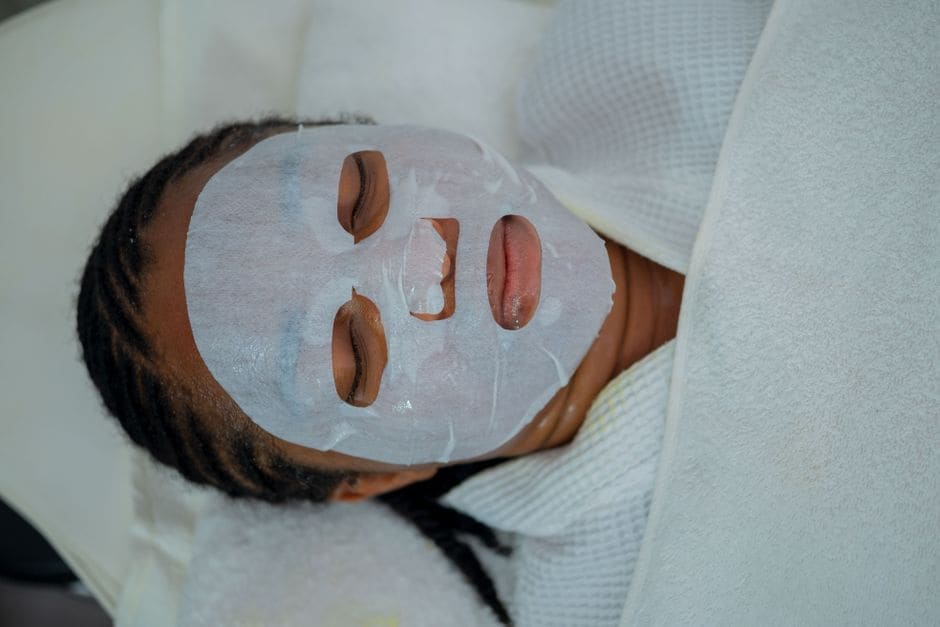
LED Face Masks (Category Check) review: curiosity, not treatment
The most photogenic product in skincare, sold on research that mostly wasn't done on the thing in the box. Light-based treatments are a real clinical field; consumer masks are that field diluted to an unknown degree, at prestige prices, with results that are — at best — slow, subtle, and dependent on a consistency few owners maintain. Not a scam, not a treatment. A maybe, priced like a certainty.
What we like
- Light-based skin treatment is a legitimate area of clinical research
- Home use is generally low-risk when eye shielding and instructions are followed
- Zero effort per session — it's a mask you sit in
- Reputable makers publish specifications; the category isn't all vapor
Flaws but not dealbreakers
- Consumer devices are far weaker than the clinical equipment the marketing borrows credibility from
- Evidence for the boxed products themselves is thin and often brand-funded
- Any plausible benefit requires relentless consistency over long horizons
- Prestige pricing for an uncertain outcome
- The category's bold claims are exactly the kind skincare marketing shouldn't make
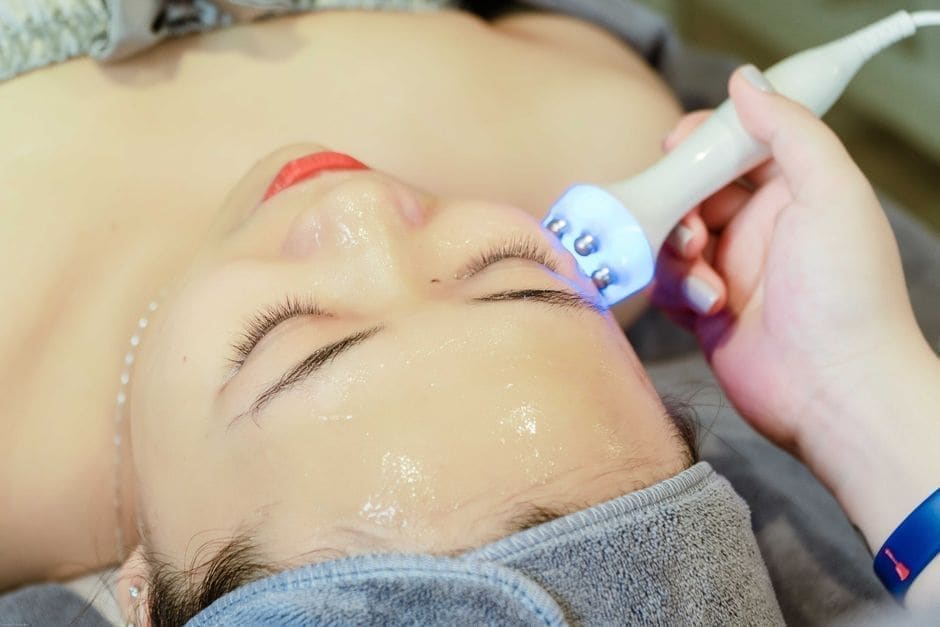
A glowing sci-fi mask photographs better than any serum ever will, which goes a long way toward explaining the category's rise — and why it deserves a colder look than its feed presence invites. The pitch leans on a genuinely real foundation: light at particular wavelengths is an active area of clinical dermatology research, studied with professional equipment under controlled protocols. The mask in the box is downstream of that research the way a home karaoke machine is downstream of a recording studio.
The gap is power and proof. Clinical devices operate at outputs and durations consumer masks don't approach, under protocols a professional selects and supervises, and the studies the marketing gestures toward were overwhelmingly conducted on that clinical end. Evidence for the actual boxed products is a thinner file — small studies, often brand-sponsored, measuring modest changes over long timelines, with the sober independent reviews landing somewhere between 'possibly something' and 'hard to distinguish from a good moisturizer routine.' That doesn't make the category fraudulent; it makes it unproven at consumer strength, which is a different thing than the ad copy implies. The tell is in the language: the careful brands promise 'radiance' and 'glow' — unfalsifiable by design — while the reckless ones borrow clinical vocabulary their own device was never tested against.
If you're still choosing, start with The Skincare Shelf, Sorted: Routine, Curiosity, and Keep-Away and come back.
The usage reality filters the buyer pool further. Whatever benefit exists at these power levels is built on relentless consistency — regular sessions, indefinitely, of sitting still in a plastic shell while doing approximately nothing. Novelty carries the first stretch; the calendar carries nothing after that. The category's dirty secret is the drawer: these are among the most abandoned devices in beauty, resold in droves with 'used twice' listings that tell the whole story, and an unused mask delivers precisely the same results as no mask at a very different price.
If you buy anyway — and as a low-risk curiosity for someone who enjoys the ritual, that's a defensible hobby purchase — buy like an adult. Choose brands that publish wavelength and output specifications and carry real safety certifications; use the included eye protection; and skip the category entirely if you're photosensitive, on photosensitizing medication, or pregnant, unless your doctor says otherwise. The bargain-bin versions with no published specs offer the uncertainty without even the engineering.
If you buy one anyway — and plenty of people reasonably will — there are two safety points that matter more than any feature comparison. Eye protection is not optional: the light is intense at close range, some masks include shields and some expect you to close your eyes and hope, and anyone with an eye condition or on medication that increases light sensitivity should ask a doctor first rather than reading a product page. And a handful of common medications and skincare ingredients make skin markedly more light-sensitive, which turns a harmless session into an unpleasant one. Neither point is exotic; both are routinely left out of the marketing.
The bottom line writes itself once the framing is right. As an experiment funded by disposable income, an LED mask is harmless and occasionally pleasant. As a treatment for acne, aging, or pigmentation — the things the marketing whispers about — it's the wrong aisle: those are dermatologist conversations, and the clinic version of light therapy, prescribed and supervised, is the version the evidence actually describes. Buy the mask for fun or not at all. Never buy it instead of the appointment.
Key specs
- Type
- Category review — at-home LED light-therapy masks
- Our position
- Curiosity purchase, not a treatment; buy from spec-publishing brands or not at all
- Real skin concerns
- A dermatologist, not a gadget