Dupe Fragrances: Worth It or Not? (Category Check) review: know the trade
Worth it with adjusted expectations, a samples-first habit, and a clear head about what you're buying: an interpretation, not a teleported original. The category shines for exploration and daily wear, disappoints signature-scent romantics, and rewards buyers who choose transparent houses over anonymous knockoffs promising exactness.
What we like
- Radically lowers the cost of exploring fragrance as a hobby
- The good houses are transparent interpreters, not counterfeiters
- Daily-driver logic: save the precious bottle, wear the rendition
- Sampling culture is built into the sector
Flaws but not dealbreakers
- Fidelity varies wildly — by house, by scent, by batch
- Drydowns are where clones most often drift from originals
- Anonymous sellers promising 'exact' copies are the category's trash tier
- The emotional value of the original doesn't transfer
- A shelf of near-misses can quietly cost a real bottle's worth
Fragrance is the only beauty category where the flagship products cost more than small appliances, so of course a parallel industry grew up underneath it. The dupe sector now spans everything from respected interpretation houses to anonymous listings promising an 'exact copy' of whatever scent is viral this season — and lumping them together is how buyers end up burned. The category question isn't whether dupes are legitimate; the good ones openly are. It's whether what they actually deliver matches what you're actually after.
Start with what a rendition can honestly do. Scent profiles aren't trademarks of nature; a skilled perfumer can build something that opens recognizably like a famous fragrance, and the better houses do it while naming the inspiration and their own divergences. What renditions reliably don't do is disappear into the original: materials differ, drydowns drift, and longevity lands somewhere else on the dial — often louder, occasionally thinner. Anyone selling exactness is selling the one thing the model can't produce, which is a useful tell for sorting the sector's tiers.
The category context lives in our A Fragrance Wardrobe Without the Designer Tax.
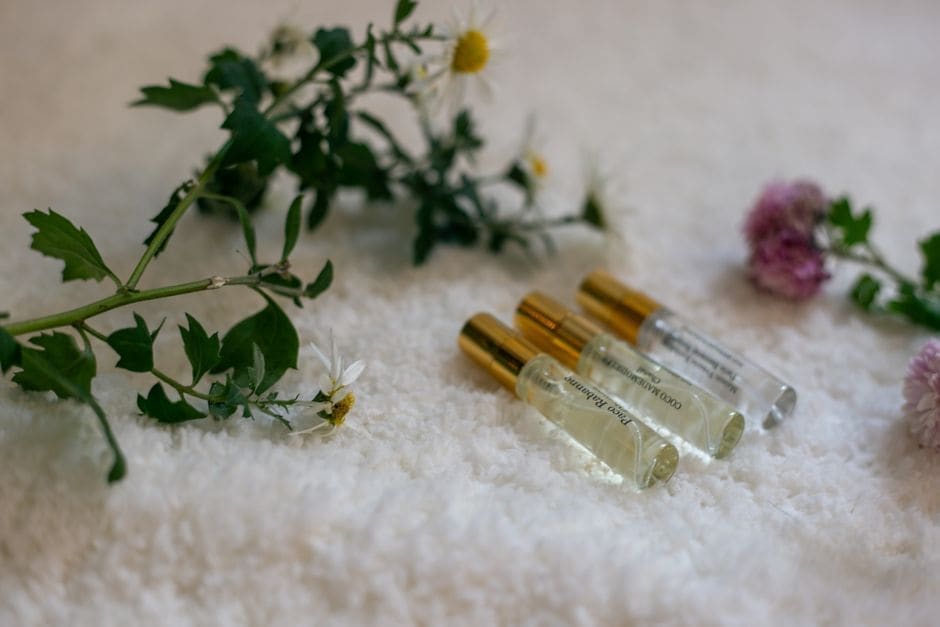
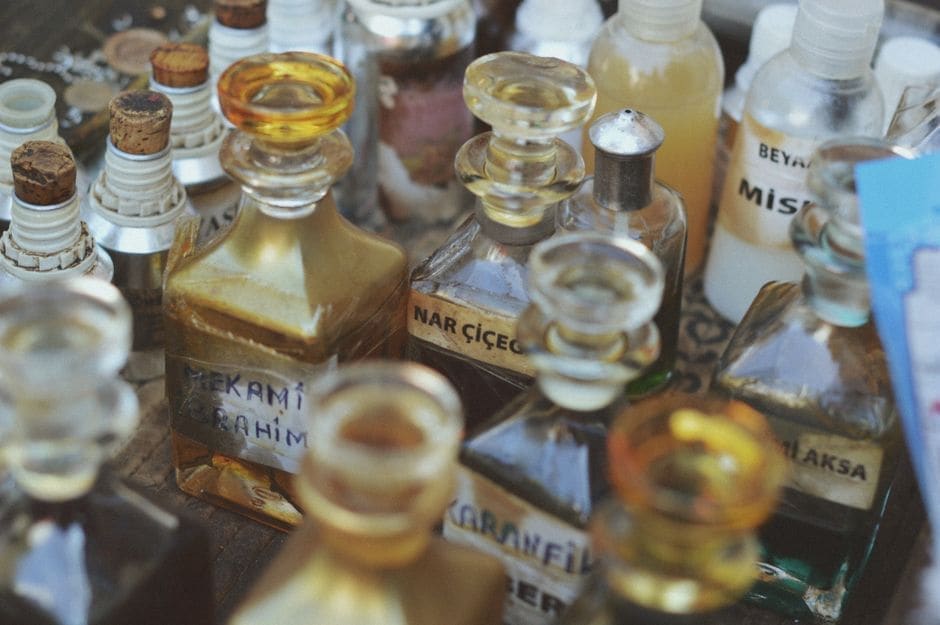
The economics favor two buyers in particular. The explorer, for whom dupes turn an unaffordable hobby into an affordable one — a dozen profiles sampled for the price of one boutique bottle is a genuine education in what your nose actually likes, which is knowledge that pays off in every fragrance purchase afterward. And the pragmatist, who owns the original and wears the rendition to the office and the gym, saving the real thing for nights that deserve it; the precious bottle lasts years longer and the daily wear costs pocket money. The buyer the category serves worst is the signature-scent romantic: if a fragrance is bound up with memory and identity, a near-miss doesn't approximate the feeling — it just misses it at a lower price, repeatedly, until the shelf of almosts has quietly cost a bottle of the actual thing.
Buying rules, briefly: choose transparent houses with sample programs and communities that discuss batches openly; always sample before full-bottling, because fidelity claims are group averages and your skin is a sample size of one; and calibrate on your own wear, not on a reviewer's. Skip anonymous marketplace listings entirely — the tier that promises exact copies is also the tier with no accountability for what's in the bottle, and skin is a bad place to test that bet.
One thing worth understanding before you judge a dupe harshly: the gap you notice is usually in longevity rather than in the opening impression. The expensive materials in fragrance tend to be the ones that hold a scent to skin for hours — the base notes, the fixatives — while the bright top notes that make the first spray recognisable are comparatively cheap to reproduce. That is why a dupe so often smells startlingly close for twenty minutes and then thins out into something generic. Judge one at the four-hour mark, not at the counter, and you will know exactly what you are buying.
Verdict: a real and useful category wearing some disreputable cousins. Approached as interpretation — sampled first, bought from named houses, worn without asking it to be something it isn't — the dupe sector is one of the best value plays in beauty. Approached as a cheat code for owning the original, it's a subscription to mild disappointment. The difference is entirely in the expectations you bring to checkout.
Key specs
- Type
- Category review — inspired-by and dupe fragrances
- Buy from
- Transparent houses with sample programs
- Avoid
- Anyone claiming an exact copy